
Description

Product Overview
POE-g-GMA is a high-performance functional polymer based on polyolefin elastomer (POE) grafted with glycidyl methacrylate (GMA) functional groups through advanced grafting technology.
By combining the excellent elastomeric toughness of POE with the high chemical reactivity of epoxy groups from GMA, POE-g-GMA provides outstanding interfacial adhesion, impact modification, and compatibility improvement in polymer blend systems.
It is specially designed for improving the performance of:
- PET modification
- PBT modification
- PC/PBT alloy systems
- PET/PC blends
- PP/PBT polymer alloys
- Glass fiber reinforced engineering plastics
- Flame retardant polymer compounds
Key Features & Advantages
1. High Epoxy Functional Group Content for Superior Compatibility
AOSILE-W5AS features a high GMA grafting level, with epoxy functional group content:
1.5–4.0 wt% (Extra High Grade)
The highly reactive epoxy groups can chemically react with functional end groups in:
- PET (Polyethylene Terephthalate)
- PBT (Polybutylene Terephthalate)
- PC (Polycarbonate)
including:
- Carboxyl groups (-COOH)
- Hydroxyl groups (-OH)
This significantly improves the interface bonding between different polymers.
Suitable for demanding applications including:
- High filler loading compounds
- Glass fiber reinforced plastics
- Polymer alloy systems
- High-performance engineering plastics
2. Excellent Toughening Performance for Polyester Materials
The POE elastomer phase provides outstanding energy absorption capability, effectively improving:
- Notched impact strength
- Low-temperature toughness
- Crack resistance
- Mechanical durability
Recommended for:
- PBT impact modification
- PET toughening
- PLA toughness improvement
- Glass fiber reinforced PBT/PET systems
- Flame retardant engineering plastics
Typical addition level:3–5%
can significantly improve impact performance while maintaining processing stability.
3. Reactive Compatibilizer for Polymer Alloy Systems
POE-g-GMA works as a reactive compatibilizer to improve the compatibility between non-polar polyolefins and polar engineering plastics.
It effectively solves common problems such as:
- Poor interfacial adhesion
- Phase separation
- Reduced mechanical strength
- Poor dispersion in polymer blends
Applications include:
PP/PBT Alloy
Improves:
- Interface bonding
- Impact resistance
- Mechanical stability
PET/PC Alloy
Improves:
- Compatibility
- Toughness
- Long-term performance
PBT/PC Alloy
Enhances:
- Blend uniformity
- Impact strength
- Processing reliability
Technical Data Sheet
| Item | Value |
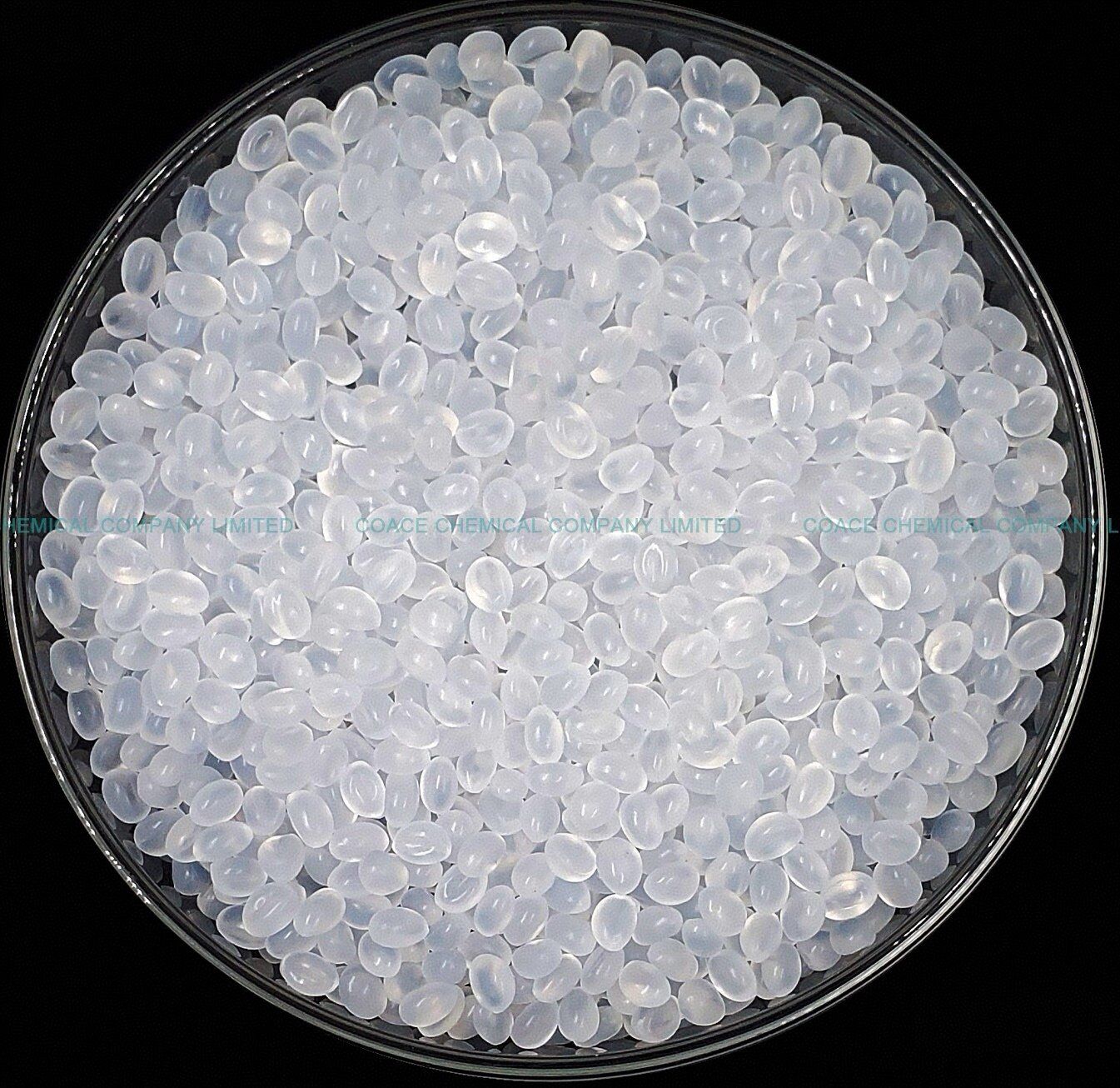
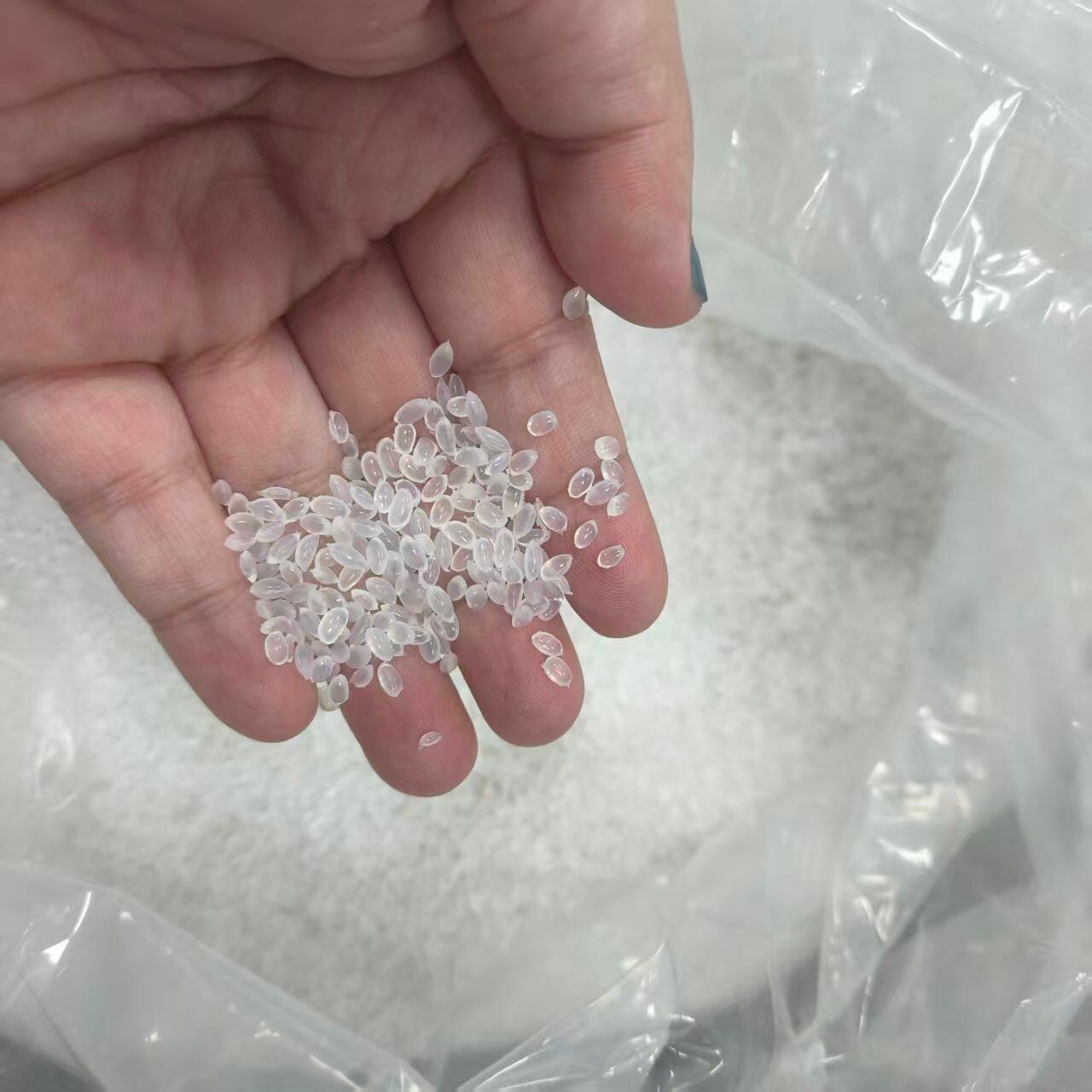
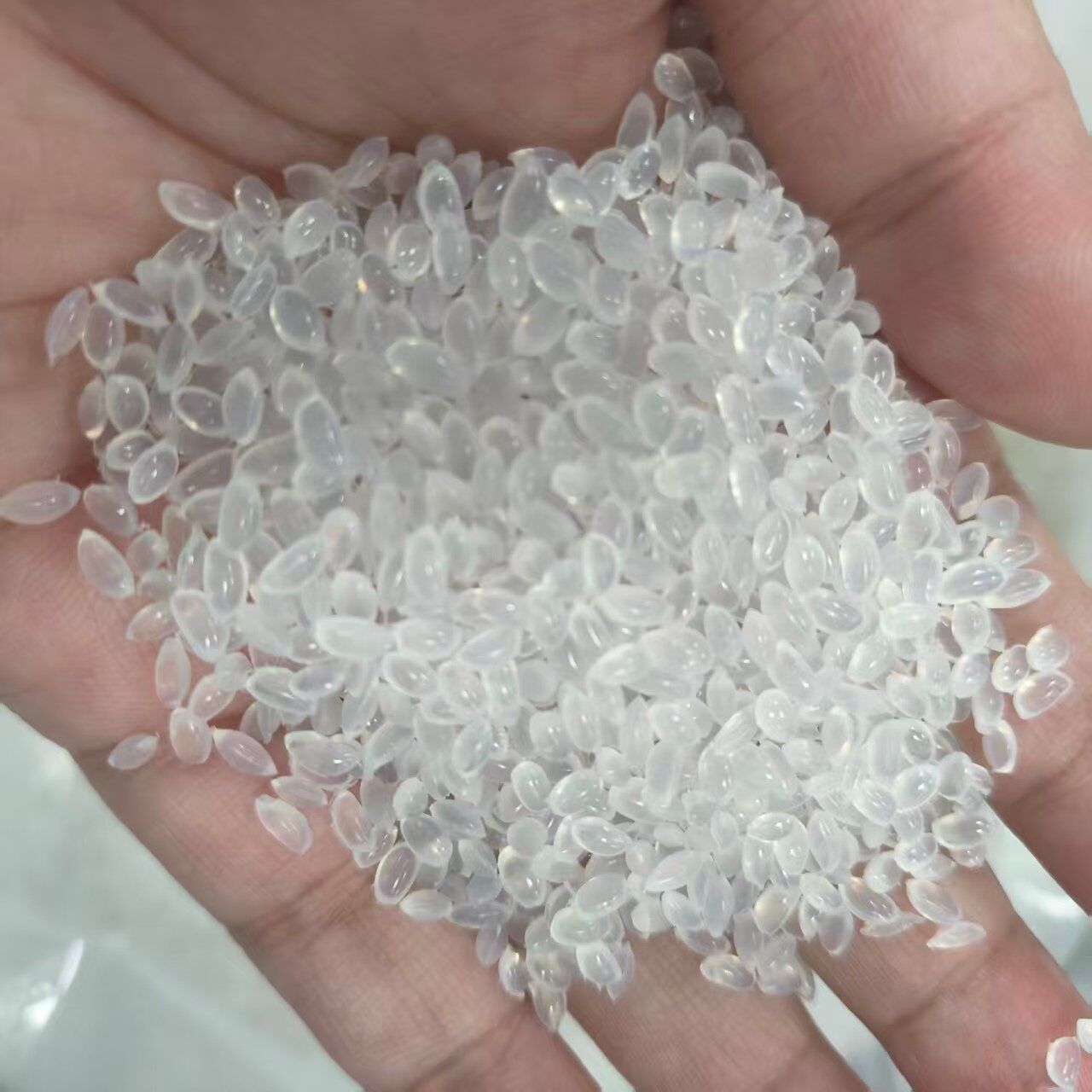
| Appearance | White to slightly translucent pellets |
| Base Polymer | Polyolefin Elastomer (POE) |
| Grafting Monomer | Glycidyl Methacrylate (GMA) |
| Density | 0.87 g/cm³ |
| Melt Flow Index | 3.5 g/10min (190℃/2.16kg) |
| Epoxy Group Content | 1.5–4.0 wt% |
Application Fields
1. Engineering Plastic Modification
PBT Modification
Higher impact strength
Improved toughness
Better polymer compatibility
Applications:
- Automotive connectors
- Electrical components
- Structural plastic parts
- Flame retardant PBT compounds
2. Glass Fiber Reinforced Plastics
POE-g-GMA improves the interface between glass fiber and polymer matrix.
Advantages:
- Better glass fiber wetting
- Reduced fiber exposure
- Improved tensile strength
- Enhanced impact performance
Suitable for:
- Glass fiber reinforced PBT
- Glass fiber reinforced PET
- High-filled engineering plastics


Reviews
There are no reviews yet.